
Our Team

Jana Sultani
Programme Director
Jana is behind the design and delivery of Screen Free Mind’s programmes. She holds a master’s degree in Adult Education and a Level 3 Diploma in Counselling Skills, alongside extensive experience in educational design and facilitation.
She is also a director and Designated Safeguarding Lead at a heritage language school, a school governor, and has led several social impact projects.

Georgina Clark
Education & Partnership Coordinator
If you’ve been in touch with Screen Free Mind, you’ve most likely spoken to Georgina.
Having run several businesses and worked in customer-facing roles, Georgina brings valuable experience, professionalism and genuine care to everything she does.
Her ability to listen, make people feel valued and understand their needs reflects something fundamental to Screen Free Mind: building relationships based on trust, respect and genuine care.
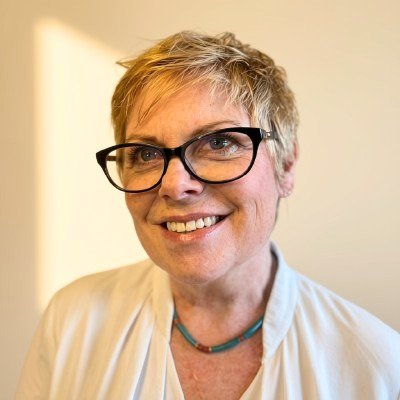
Georgina J B Forbes
Strategic Adviser
Georgina brings many years of experience supporting charities and other social-impact organisations.
She provides Screen Free Mind with an independent perspective on its development, offering valuable strategic guidance and helping identify opportunities to strengthen the organisation and extend its reach.
Digital life is human life.
Our relationship with technology is woven into almost everything we do — how we work, learn, communicate, relax and connect with one another.
Digital technology offers extraordinary opportunities, but being constantly connected can also come at a cost.
We may feel overwhelmed by information, struggle to concentrate or find it difficult to switch off. We might reach for our phones without thinking, spend more time online than we intended or feel less present with the people around us.
These experiences are increasingly common, and while we often think of them as individual challenges, our workshops help participants recognise that they reflect wider patterns shared by people across our society.
Screen Free Mind is here to help people better understand and navigate these challenges, and find a balance that works for them.
We don’t live with technology in isolation.
Our lives are interconnected.
How we use technology can affect the people around us — our partners, children, friends and colleagues — just as their digital habits can affect us.
The effects can extend beyond our immediate relationships.
How we spend our time and attention outside work or education can influence how we feel, concentrate, learn and participate when we are there.
When discussing digital wellbeing, much of the attention is directed towards children and teenagers, often focusing on how adults can guide or limit their technology use. Yet adults face many of the same challenges. We, too, can struggle to manage our screen time, protect our attention or switch off.
Screen Free Mind was originally developed for adults, recognising that digital wellbeing is not simply a challenge for younger generations. We also believe that teenagers and young adults should have a voice and agency in deciding how they engage with digital technology, rather than simply being told what to do.
Understanding creates opportunities for change.
At Screen Free Mind, we believe that understanding the influences shaping our digital habits is an important step towards making informed choices.
Our interactive, in-person workshops bring people together to explore what research tells us about the digital world and its effects on our wellbeing.
We explore why changing digital habits can be difficult, how digital environments compete for our time and attention, and what practical steps people can take if they wish to make changes.
Our aim is not to tell people how they should use technology, but to provide the knowledge, space and encouragement to make choices that reflect what matters to them.
Because digital wellbeing isn't just about technology. It's about people.